 CarpentersHallPhiladelphia-America250
Posted on Wednesday, March 11, 2026
Categories:
History
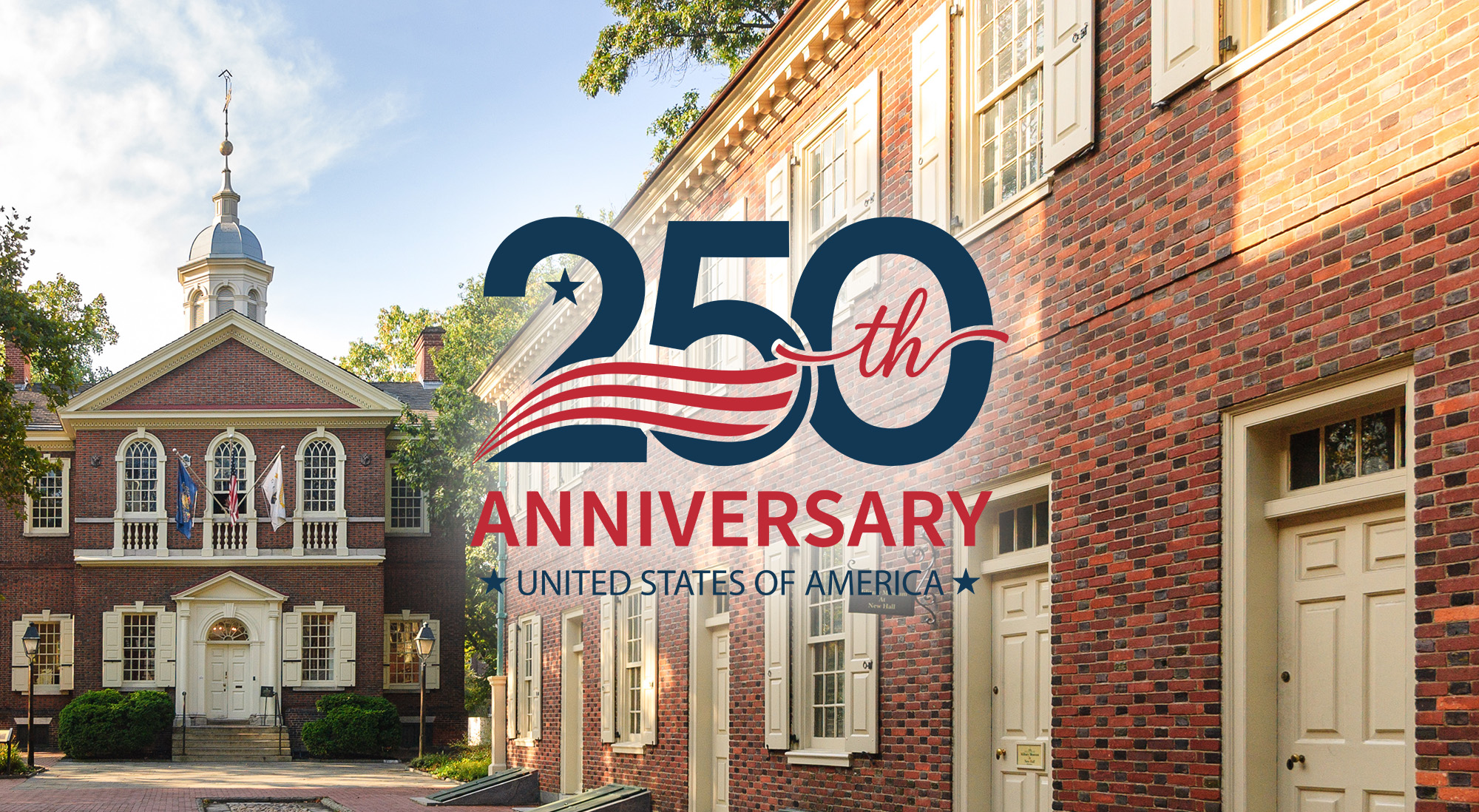
In recognition of America 250—the nation's semiquincentennial marking 250 years since the Declaration of Independence in 1776—it's a perfect moment to celebrate the skilled hands that literally built the foundations of the United States. While political leaders drafted documents and generals led armies, carpenters and master builders constructed the homes, halls, churches, and public buildings where history unfolded. These tradesmen were often architects, joiners, framers, and craftsmen rolled into one, embodying the ingenuity, hard work, and community spirit that defined early America.
From colonial guilds to post-Revolutionary innovations, carpenters shaped the physical landscape of independence. Many belonged to organizations like Philadelphia's Carpenters' Company (founded in 1724, the oldest extant craft guild in the U.S.), which provided mutual aid, standards, and a hub for master builders. Their work on landmarks like Independence Hall and Carpenters' Hall directly tied the trade to the birth of the nation.
Here are some of the most notable figures in American carpentry and building history, focusing on those from the colonial through early national periods, with a nod to later influencers who carried the legacy forward.
Edmund Woolley (c. 1690s–1771): Master Builder of Independence Hall
One of the earliest standout members of the Carpenters' Company, Woolley (born in England) partnered with Ebenezer Tomlinson to begin construction on Pennsylvania's State House in 1732—what we now call Independence Hall. He drew the working plans and oversaw the massive framing (using hefty 12x16-inch timbers in innovative "fireman's seat" roof trusses). The project was grueling, and Woolley petitioned for extra pay due to the "heavy" work. His efforts created the iconic building where the Declaration of Independence was adopted and the Constitution drafted. Other Carpenters' Company members like Thomas Nevell (who inscribed his initials on paneling) and Matthias Sadler contributed to later phases.
Robert Smith (c. 1722–1777): Colonial America's Premier Architect-Builder
Often hailed as the most important 18th-century architect-builder in the colonies, Scottish-born Smith was a leading Carpenters' Company member. He designed and constructed Carpenters' Hall (1770–1775), the elegant brick meeting place where the First Continental Congress convened in 1774—a site still owned by the Company today. Smith also built the steeple of Christ Church, St. Peter's Church, and structures at Princeton and Brown Universities. He supervised Benjamin Franklin's house construction (after designing it) and exemplified the era's master builder: blending design, engineering, and hands-on carpentry.
Thomas Nevell (1721–1797): Ingenious House Carpenter and Educator
An "ingenious house carpenter," Nevell apprenticed under Woolley and became a key Philadelphia figure. He worked on Independence Hall's steeple and spire, crafted elegant staircases for elite homes, and contributed significantly to Carpenters' Hall (as a major donor and builder). Nevell may have run one of the nation's first architecture schools, teaching the next generation of craftsmen during the Revolutionary era.
Samuel McIntire (1757–1811): The Architect-Carver of Salem
Starting as a house carpenter and joiner in Salem, Massachusetts, McIntire evolved into a renowned Federal-style architect and woodcarver. Commissioned by wealthy merchants like Elias Hasket Derby (America's first millionaire), he built and remodeled elegant homes in Salem's Chestnut Street District (now a National Historic Landmark named in his honor). His intricate carvings—ship motifs, urns, and delicate details—defined New England's post-Revolutionary architecture. McIntire's work blended practical carpentry with artistic mastery, influencing American design well into the 19th century.
Joseph Fox and Other Revolutionary-Era Patriots
Joseph Fox, a long-serving "Master" (president) of the Carpenters' Company, was a pro-independence figure who defied Loyalist-leaning elites in Philadelphia. Others like Benjamin Loxley (who helped acquire land for Carpenters' Hall) and Thomas Procter (an artilleryman during the war) showed how carpenters doubled as civic leaders and soldiers. Even Abraham Carlile's tragic story (executed for alleged British collaboration) highlights the era's tensions.
Peter J. McGuire (1852–1906): Labor Pioneer and Founder of Modern Carpentry Unions
Shifting to the industrial age, Irish immigrant Peter J. McGuire founded the United Brotherhood of Carpenters and Joiners of America (UBC) in 1881, uniting scattered local unions into a national force. A tireless organizer, he advocated for the eight-hour workday, better conditions, and workers' rights—coining the phrase "Organize, Agitate, Educate." Widely credited as a "father" of Labor Day (first celebrated in 1882), McGuire transformed carpentry from a solitary craft into an organized profession that empowered millions of American workers.These figures—and countless unnamed apprentices, journeymen, and guild members—were essential "nation builders." Their timber-framed halls hosted revolutionary debates, their carved mantels graced merchant homes symbolizing prosperity, and their guilds fostered standards that endure in today's trades.
As we embrace 2026, sites like Carpenters' Hall (celebrating its own milestones) remind us that America's story is built from the ground up—literally. The legacy of these carpenters lives on in preserved historic structures, the skilled trades workforce, and the ongoing celebration of craftsmanship that helped forge a new nation.
Tagged:lumber, Pennsylvania, tradesmen, history, nostalgia, skilled trades, America 250