 Why We Need to Bring Back Shop Class in High Schools
Posted on Wednesday, December 10, 2025
Categories:
Construction Industry
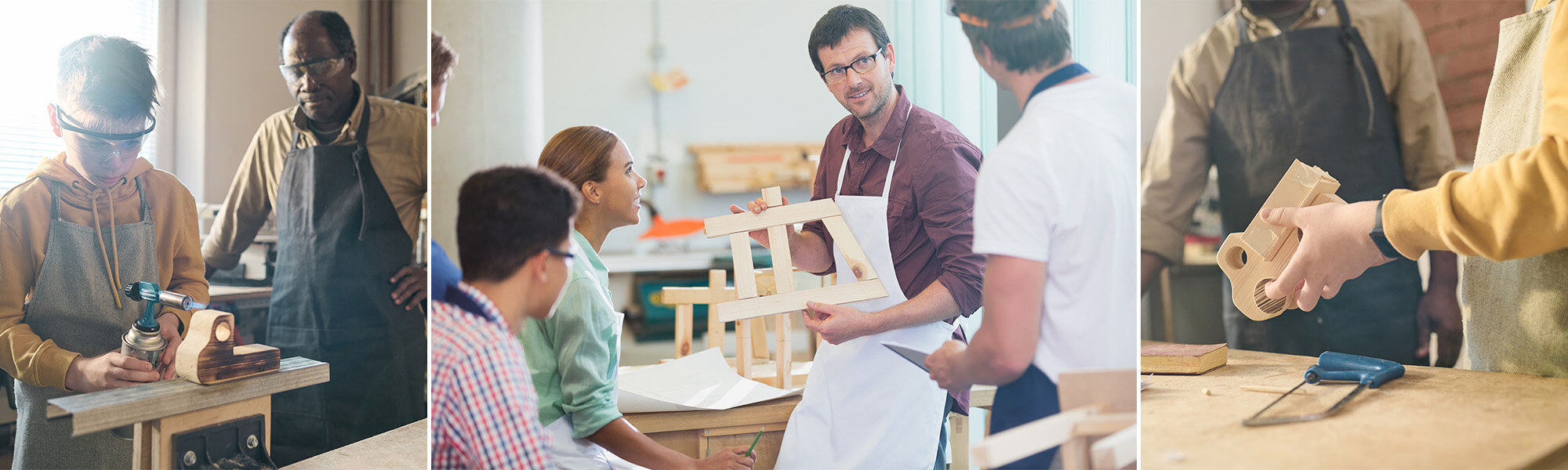
In an era dominated by college-prep curricula and standardized testing, many high school students graduate without ever touching a tool, building a project, or learning a practical trade. Shop class—once a staple of American education, teaching skills like woodworking, welding, auto repair, and metalworking—has largely vanished from schools. But as labor shortages plague the trades and questions mount about the value of universal college attendance, it's time to revive hands-on vocational education. Bringing back shop class isn't about turning back the clock; it's about equipping students with real-world skills, boosting engagement, and opening doors to fulfilling, high-paying careers without mountains of debt.
A Brief History: From Essential to Endangered
Shop class, often called industrial arts or vocational training, was ubiquitous in U.S. high schools through much of the 20th century. Introduced in the late 1800s and bolstered by federal funding like the 1917 Smith-Hughes Act, these programs taught practical skills alongside academics. By the mid-1900s, students routinely built furniture, repaired engines, or welded metal—preparing them for jobs in a manufacturing-driven economy.
The decline began in the 1980s. A push for "college for all," increased academic requirements (more math, science, and language courses), budget cuts (e.g., California's Proposition 13 in 1978 slashed school funding), and backlash against "tracking" students into vocational paths based on perceived ability or socioeconomic status led to sharp reductions. Between 1990 and 2009, career and technical education (CTE) credits earned by high school students dropped 14%, according to the National Center for Education Statistics and Brookings Institution reports. Traditional hands-on shops were replaced or eliminated, often deemed outdated or too costly.
The Benefits: More Than Just Building Things
Hands-on shop classes offer profound advantages, supported by research and real-world outcomes:
- Practical Skills and Problem-Solving: Students learn to use tools, follow blueprints, and troubleshoot—skills applicable to everyday life and careers. As one New York Times opinion piece noted, physical work interleaves with mental labor, improving focus and teaching kinesthetic learners effectively.
- Higher Engagement and Graduation Rates: CTE programs boost student motivation. In Michigan, 95% of CTE-enrolled high school students graduated in 2022. Studies show CTE reduces dropouts, with 81% of former dropouts saying real-world learning would have kept them in school.
- Career Preparation Without Debt: Trades like welding, carpentry, and plumbing offer median salaries often exceeding $50,000–$70,000, with low unemployment. A Massachusetts study found construction-focused vocational students earned nearly $7,700 more annually seven years post-graduation than peers. Healthcare CTE paths increased college attendance.
- Diverse Pathways: Not every student thrives in traditional academics. Shop class builds confidence, teamwork, and creativity—benefits that extend to all fields, including STEM.
The Current Landscape: Signs of Revival
Today, vocational education has evolved into Career and Technical Education (CTE), offered in 98% of public school districts (2016–17 data). Modern programs include advanced manufacturing, robotics, and healthcare alongside traditional trades. Partnerships with businesses provide internships, and federal Perkins Act funding supports expansion.
Yet challenges remain: Traditional shop classes are rare in comprehensive high schools, often limited to specialized CTE centers. Enrollment in construction and repair fields has declined, contributing to skilled labor shortages—millions of trade jobs go unfilled annually.
Time for Action: Let's Bring It Back
Reviving shop class means integrating hands-on CTE into every high school—mandatory electives, updated equipment, and teacher training. States should prioritize funding, and schools partner with industries for apprenticeships. This isn't anti-college; it's pro-choice, ensuring all students have options.
As we face a skills gap and reevaluate education, shop class represents balance: academic rigor plus practical mastery. Let's prepare the next generation not just to think, but to *do*. Our economy, communities, and students will thank us.
Tagged:installer, contractor, home improvement, local economy, small business, remodel, hiring, personnel, employment, tradesmen, jobs, skilled trades